Is pop art contemporary art? Where the two meet and where they part
Updated: 17 hours ago
Pop art and contemporary art: what they share, what sets them apart
Is pop art contemporary art? Strictly speaking, no. Pop art is a movement of the 1950s and 1960s, part of modern art, while contemporary art covers work made from the 1970s to today. But the line is blurry, because pop never really went away: its colours, its icons and its irony run straight through the art of our time. Sculpture is a good place to see how the two meet and where they part.
To understand the origins and core ideas of pop art, you have to go back to the 1950s and 1960s and the world the movement grew out of.

Popular culture as raw material, then and now
Pop art, born in the 1950s and 1960s, took its subjects from mass culture: media, advertising, everyday objects. Andy Warhol, Roy Lichtenstein and Claes Oldenburg turned soup cans, comic strips and hamburgers into art. In Britain, Richard Hamilton was already working the same ground with collage and appropriation.
In sculpture, Claes Oldenburg is the name everyone remembers, with his giant hamburgers and oversized clothespins. Screen printing, the technique Warhol made famous, let artists repeat these icons in series and blurred the line between the one-off artwork and mass production.
Contemporary art, a much wider field that takes shape from the 1970s, also works with popular culture, media and social life. The boundary between art and daily life is often thin, and contemporary sculpture can be anything from an installation to a found object.
Breaking the rules: how pop art and contemporary art moved on
Both set out to push the limits of what art could be. Pop art turned its back on Abstract Expressionism, chose figuration and borrowed its methods from industry. In sculpture, that meant unusual materials and works that refused to behave the way the public expected.
Contemporary art goes in many directions at once (installation, performance, digital work) and questions old ideas of beauty, originality and medium. Pop's influence is still there: Jeff Koons and his polished stainless steel Balloon Dogs turned the pop look into luxury objects, and Takashi Murakami blends Japanese pop imagery with global mass culture.
Contemporary sculpture can be temporary, interactive or even virtual, and each of these forms asks what an object is and how we look at it.
Talking to the viewer: provocation and irony
Pop art, pop sculpture and contemporary art all set out to provoke, using familiar references and a sharp, critical irony. They pull the viewer in through humour, through irony or through head-on confrontation. In sculpture, that can mean works that take over public space or ask the viewer to step in and take part.
The icons of mass culture, from characters like Paddington Bear to Warhol's Campbell's cans, become material for art about our relationship with brands and nostalgia.
Two different eras, two different worlds
Pop art grew up in the post-war years, in a society of mass consumption, booming media and dominant American culture. It reflects a fascination with material plenty and with popular culture.
Pop sculpture, from Claes Oldenburg to George Segal, often shares that fascination with everyday objects and mass-culture icons. The pieces use bright colours and playful shapes, and they ask what happens when an ordinary object is treated as art.
Contemporary art comes out of a globalised world: cultural diversity, fast technology, and tangled social and political questions such as ecology, identity and globalisation. Contemporary sculpture therefore takes on a wider range of subjects, often with a stronger stance, from social inequality to the environment.
Forms and techniques: from traditional media to digital
Pop art stays mostly rooted in traditional media (painting, sculpture, screen printing) even as it bends their rules. In pop sculpture, that shows up as industrial materials and pieces that copy or distort everyday objects.
Contemporary art is far more eclectic: installation, video, performance, digital work, even participatory practice. Contemporary sculpture can be a monumental installation as easily as an interactive or short-lived piece.
Materials like resin, chrome and glossy metal give visual effects that bronze or stone cannot, and they give a piece real presence in a room.
What they are trying to say
Pop art, often ironic and playful, mocks or celebrates consumer society by playing with its best-known icons. In sculpture, that gives three-dimensional works that stretch or exaggerate familiar shapes to get a reaction.
Contemporary art takes on broader and often more committed subjects: social inequality, gender, the environment, a radical critique of consumerism. Contemporary sculpture tends to be more conceptual and less focused on the object itself, more about ideas and experience than about traditional form.
French sculptor Arson: contemporary pop art with something to say
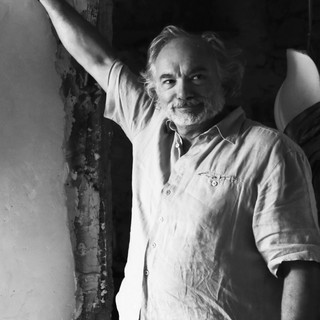
Arson, a contemporary French sculptor, shows how pop art can turn into an uncompromising critique of mass consumption. His work keeps the pop language (bright colours, iconic shapes, provocative humour) and puts it to work against ecological exploitation and social inequality.
To go further into contemporary pop art, read our other articles on sculpture and visual culture.
In his pop period, Arson used irony and humour to mock overconsumption and the absurdity of mass society. The pieces were striking and fun to look at, but they already had a critical edge, questioning aesthetic norms and our obsession with things. Today his work is even more openly activist: it calls out the abuses of the capitalist system, social inequality and ecological disaster.
His contemporary pop sculptures show how resin and modern materials can turn the pop look into monumental objects. Many are made from raw metal or recycled materials, and they speak of both the resilience and the fragility of our world. They ask viewers to think about their own part in these destructive patterns, and about kinder alternatives for the planet and for each other.
Our collection of pop art sculptures offers one-off pieces that hold together classic pop style and present-day commitment. Each contemporary pop sculpture speaks directly to the viewer and makes them think twice about consumption and social norms.
Arson uses sculpture to provoke, to question and to raise awareness. His work is both poetic and political, and it makes the case that art can, and should, push for change: a weapon against indifference and a call to act.
So, is pop art contemporary art?
Pop art and contemporary art both want to bring art back to real life, but they do it in different times and by different means. Pop art is a clearly defined movement with its own codes and its own famous names. Contemporary art is a huge, moving field that reflects how complicated today's world is. So pop art is not contemporary art in the strict sense, but contemporary pop art is very much alive, and sculpture is where you see it best.
These works belong to a contemporary sculpture for luxury interiors that turns a living space into something you experience, not just decorate. Together, pop art and contemporary art show that art keeps adapting to its time, and that making art is still a strong way to question, criticise and change how we see the world.
Frequently asked questions
Is pop art considered contemporary art?
Not strictly. Pop art emerged in the 1950s and 1960s and belongs to modern art; contemporary art usually means work made from the 1970s onward. Pop art turned popular culture, advertising and everyday objects into art, and Andy Warhol and Roy Lichtenstein blurred the line between high art and mass culture. Its influence on contemporary art is huge: today's artists, Arson among them, still use pop codes (bright colours, famous icons, ordinary objects turned on their head) to criticise consumerism with irony and a clear stance. Pop art also proved that the everyday could be a serious subject for art.
Who are the key artists of pop art and contemporary art?
Classic pop art includes Andy Warhol (Campbell's soup cans, Marilyn portraits), Roy Lichtenstein (enlarged comic strips), Claes Oldenburg (monumental sculptures) and Richard Hamilton (pop collages). Contemporary art carries that legacy on with Jeff Koons (polished stainless steel sculptures), Takashi Murakami (Superflat), Shepard Fairey (street art) and Lisa Yuskavage (provocative painting). In France, the sculptor Arson works with resin, chrome and loud colour to take on mass consumption head-on.
How does contemporary pop sculpture change a living space?
Contemporary pop sculpture, in resin, metal or bronze, has a strong visual impact that sets the tone of a space. A 2-metre piece in an entrance hall becomes an instant focal point; in a living room, a 30 cm sculpture on a plinth adds colour without crowding the room. Natural or directed light brings out the depth of the colours and the transparency of the resin. These works do more than decorate: they provoke, they ask questions, and they say something about the person who owns them. In a high-end interior, a contemporary pop sculpture works like a personal signature.
🎁 Welcome offer at Arson
Subscribe to Arson's blog for free and get 15% off your first order right away.
And be the first to see new sculptures, studio events and the latest articles.
⭐️⭐️⭐️⭐️⭐️ What our clients say
“Love at first sight for this Esculmau in a white dress, which delights me every day as I walk past it. And a great moment of sharing with the artist over a good wine. I highly recommend discovering these original creations.” Vincent K. (translated from French)

Comments