The Meaning of Contemporary Sculpture
Updated: Aug 7
Art is considered essential to life for many reasons, and sculpture, as a form of artistic expression, plays a particularly significant role. This piece explores the meaning of contemporary sculpture — why it deserves to be defended in a world marked by conflict, hatred, and the domination of money. Every sculpted creation carries an intention, a provocation, an invitation to reflect on the meaning of our times.

The Meaning and Importance of Contemporary Sculpture
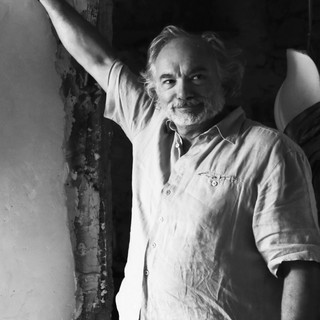
French sculptor Arson firmly believes that without art in our lives, our streets, parks, and gardens would be dull. For him, art must inspire and provoke. To convey something powerful — to spark an emotion in the viewer's eye and an unexpected thought in their mind — is what gives sculpture its meaning. This philosopher of contemporary creation holds that every work is an act of resistance and freedom.
Artistic Creation and Human Expression Through Sculpture
Contemporary sculpture offers a platform for expressing human creativity. It allows individuals to share ideas, emotions, and experiences in a unique and powerful way. Sculpture enriches and elevates both private and public spaces, turning our urban environment into a living gallery. Worked in recycled resin, metal, or plaster, each piece becomes a vehicle for authentic expression that transcends the boundaries of traditional language.
Perception and Reflection in Front of a Sculpted Work
Art encourages reflection and contemplation. Sculpture, in particular, invites viewers to step back and meditate on the form, texture, and message carried by the work — offering a pause in an often chaotic world. This perception of sculpture transforms the gaze and creates a profound experience.
Narrative and Meaning: How Sculptural Art Conveys Messages
Like other art forms, sculpture can be a powerful means of communicating messages and telling stories. It can bear witness to historical events, express political or social ideas, celebrate cultural diversity, and above all give meaning to creation itself. Sculptors explore profound themes — sensuality, freedom, identity, social justice — turning each work into both a personal and collective statement.
Aesthetics and Form in Contemporary Sculpture
Sculpture can capture beauty in many forms. It allows for the exploration and appreciation of aesthetic diversity, fostering a deeper appreciation of beauty in the world. The shaping of sculptural form, whether abstract or figurative, creates unforgettable visual experiences.
Emotion and the Bond Between Artist and Viewer
Art, including sculpture, has the power to create an emotional bond between artist and viewer. It can evoke a whole range of emotions, from joy to sorrow, strengthening human connection. Through provocative and sensual work, the artist establishes this intimate dialogue, where each piece becomes a silent yet deeply felt conversation.
Sculpture as Expression and Social Engagement
In a world marked by war and hatred, art can be a form of cultural resistance. It can challenge oppression, promote diversity, and inspire social change. Contemporary artists tackle crucial issues — ecology, gender identity, social justice, environmental crisis — using material itself, resin or metal, as a vehicle for critique and transformation.
Sculpture, Artistic Heritage, and Contemporary Creation
Sculpture, as an art form, helps shape and preserve cultural heritage. It carries artistic and cultural traditions forward, forming a link between past, present, and future. From Auguste Rodin, who revolutionized sculpture in the 19th century, to Constantin Brâncuși, who redefined abstraction, to sculptors working today like Christian Hirlay, each generation pushes the boundaries of contemporary creation.
While money often dominates the cultural landscape, defending art — and especially contemporary sculpture, still far less represented than painting — is essential to preserving the richness of human experience and fostering a more enlightened, thoughtful, and empathetic society. Supporting the arts helps build a world where creativity, cultural richness, and artistic expression are truly valued.
Contemporary Art in a Consumer Society
Art and contemporary sculpture occupy a complex, multifaceted position in a consumer society. People still ask themselves: what is art, really?
Art allows individuals to express emotions, ideas, and experiences. In a consumer society, it can act as a mirror, reflecting our values — or their absence — our concerns, and our aspirations. Sculptors can address subjects such as consumption, philosophy, the human condition, and politics through their work. Every space becomes a gallery where the tension between artistic authenticity and commercial logic plays out.
The Sculpture Market and Contemporary Art Galleries
Art is also a market. Galleries, museums, auctions, and art fairs are places where works are exchanged, sold, and acquired. Contemporary artists often depend on this market to make a living. Yet this can lead to over-commercialization, where the value of a creation is measured mainly in monetary or speculative terms — risking the loss of sculpture's original meaning. True collectors understand that real art transcends market price.
Consumption and Identity
In a consumption-driven society, a work of art can become a symbol of social status and identity. Owning a contemporary sculpture may signal belonging to a higher social class — but for genuine art lovers, it simply expresses personal taste. This raises questions about authentic artistic appreciation versus superficial consumption.
Social Critique Through Sculptural Art
Contemporary sculpture, like any art form, can serve as social critique. Artists can challenge norms, injustice, the folly of those in power, the violence of our era, and inequality through their work — as in Arson's own Phallocrate or Musulmane, two pieces that confront abuse of power head-on. Yet in a consumerist society, this critique is often co-opted for commercial or speculative ends. True creators, like Arson, refuse this compromise and preserve the integrity of their message.

The Delicate Balance of Contemporary Sculpture
Striking a balance between authentic artistic expression and commercial demands is difficult. Contemporary sculptors must navigate between personal creativity and market expectations. Some choose to remain independent and free, avoiding the influence of the art market, while others pursue commercial success. This constant struggle to preserve the integrity of art defines the sculpture of our time.
Ultimately, art and sculpture in a consumer society express the tension between creativity, monetary value, and cultural meaning. They help shape and influence our understanding of the world, giving meaning to the work of artists engaged with their environment. Every creation becomes an act of resistance against insignificance.
Sculpture to Beautify and Question Our Living Spaces
Art exists to beautify our spaces and to make us reflect on ourselves — our place, our role, our impact on the world. One sculpture may speak to a particular sensibility, another to a different need. Each communicates something essential. Arson tells us that art is a gift, an act of generosity that elevates the space it occupies and transforms our relationship to the world.
Discover Arson's Vision, in Person
These ideas are not abstract for Arson — they are the foundation of every piece created in his workshop in Provence. To see how this philosophy takes shape in resin, metal, and plaster, explore Arson's collection, or discover his story and artistic journey.
🎁 Welcome Offer from Arson
Subscribe for free to Arson's blog and get 15% off your first order — instantly.
Plus, be the first to know about new sculptures, studio events, and the latest articles.


Comments