Placement • lighting • interior architecture
Interior decorating guide:
Incorporate a contemporary sculpture
Where should you install a contemporary sculpture? What height should you choose? How should you use light, perspective, and volume? This guide brings together the main tips for integrating a work of art into a contemporary interior, whether it's a house, an apartment, or a professional space.
Modern sculpture for interior decoration
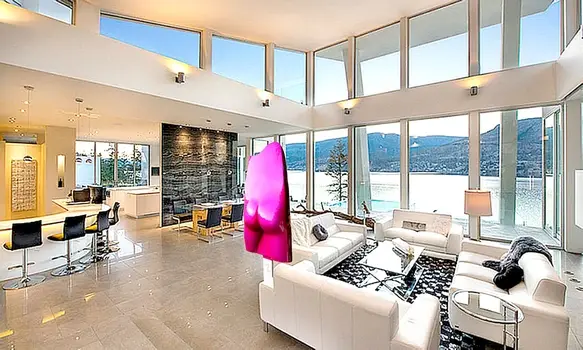
A modern sculpture can transform a room in an instant. Not because it “decorates”, but because it creates a point of presence: a volume that attracts the eye, organizes the space, and gives intention to the place.
This guide helps you choose where to place a sculpture, what size to choose, how to manage the base, traffic flow and light, and how to maintain it simply — without cluttering your interior.

Structuring space: volume, rhythm and circulation
A sculpture acts in three dimensions. It creates a front/back relationship, guides the gaze, and influences the way one moves around the room.
When properly positioned, it provides breathing room and a clearer reading of the space.
Three concrete effects :
Key point: the piece is organized around a legible presence.
Breathing: a well-placed volume visually lightens the whole, even in a busy interior.
Dialogue with light: shadows and reliefs reveal the material and reinforce the impact.
Where to place a sculpture depending on the room
Choose a location where the artwork is visible from the front and slightly at an angle, and where it can breathe.
The goal is to give it a clear place, without obstructing traffic.
Entrance
Place the artwork where it is visible upon arrival. Avoid the area where keys and mail are placed.
A small console can suit a small format, a suitable base gives more presence.
Living room
Leave space around your sculpture. Choose a viewpoint visible from the seating area. The artwork should remain legible both up close and from a distance.
Corridor
Keep the passage fluid. Opt for a vertical or thinner shape: create a rhythm, not an obstacle.
Staircase / landing
Excellent location if the artwork is stable and secure. A landing often offers a perspective view.
Choose the right size
The right format depends on the viewing distance. Up close, details and texture matter. From a distance, it's the overall shape. If the artwork is primarily viewed from afar, prioritize a simple and legible presence; if it's viewed up close, the finish becomes crucial.
Base, stability and circulation
A plinth provides the correct height, secures the artwork, and clarifies its presence. Check the flow of traffic: the artwork should be seen, not bypassed every time someone passes by.
Light: revealing matter
Avoid flat, flat lighting. Directed light (or a spotlight) creates shadows and reveals details. Natural light works very well if the artwork is not backlit.
Key points to remember
-
Place the sculpture where it is visible from the front and slightly at an angle.
-
Leave a breathing zone around and protect circulation.
-
Work with light: a simple orientation reveals matter.